Wanstead Flats' skylarks had a dismal summer
Only around two young skylarks appear to have fledged on Wanstead Flats this year, the Wren Wildlife Group says, after the hottest and driest summer on record. The numbers, what the drought did to the Flats, and a rare beetle on dead broom.
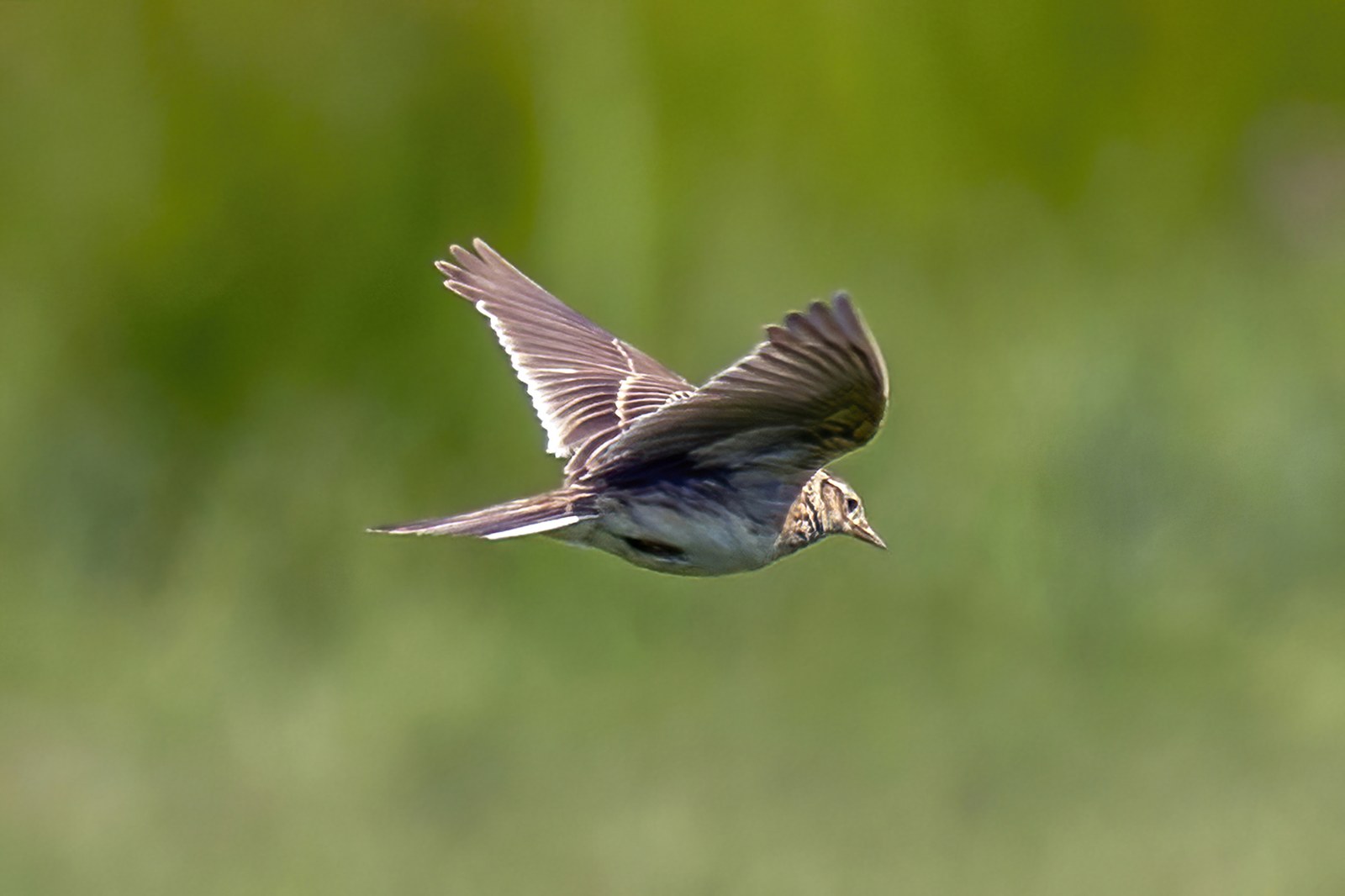
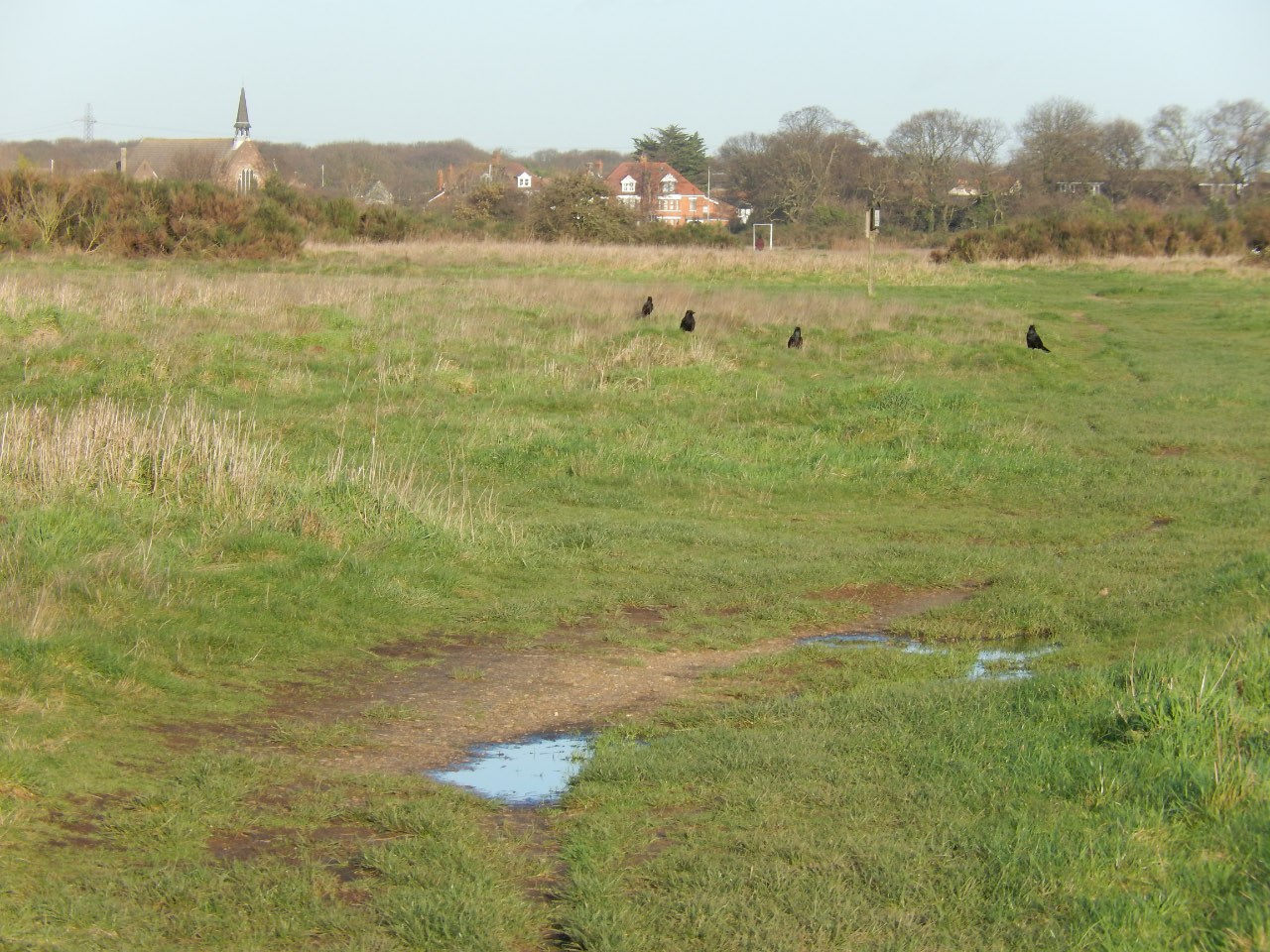
Skylarks sing over Wanstead Flats in spring, and this year the show had a thin cast. Only around two young skylarks appear to have fledged in 2026, according to the Wren Wildlife and Conservation Group, after what its chair calls "the hottest and driest [summer] on record".
That matters because the Flats hold one of the closest breeding populations of the bird to central London, and it is already tiny. The figure comes from the group's autumn 2026 newsletter. It's an estimate from the group's own monitoring, not an official count, and it follows several years when numbers looked to be recovering.
Here's the trend, according to the newsletter. In 2021 the local population had fallen to around three pairs. By 2024 there were seven adult skylarks, including two breeding pairs, and in 2025 numbers towards the end of the season "rose to around 8 to 10". Then came 2026, with "only around two young skylarks" fledged. "After the progress of recent years, that is disappointing, particularly when the breeding population is already so small," it says, adding that "the numbers may fluctuate from year to year" and "we may have only a few pairs left, but we must keep trying".
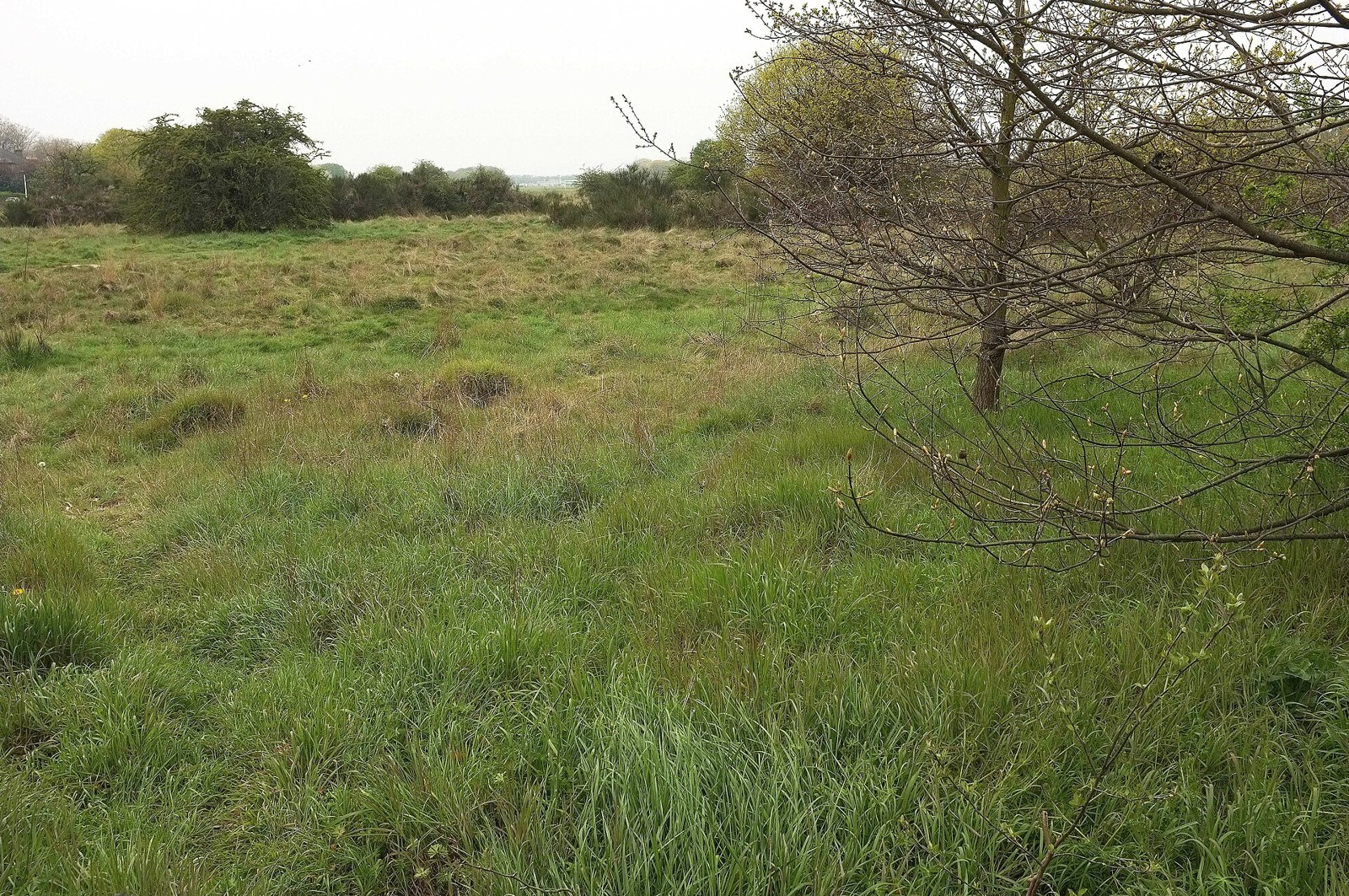
Skylarks nest on the ground, which leaves them vulnerable to disturbance from dogs, people and other activity in the breeding season. Since 2021, Epping Forest staff and the Wren Group have roped off parts of the Flats from spring to early September. The barrier was due down in September.
The fence had a rocky start to the year, then a calmer spring. The group's summer 2026 newsletter said the rope was "almost certainly helping" and that "a repeat offending vandal" had been "caught red-handed" through the vigilance of the City of London, the Wren Group and local birders, after which the "regular damage" seen early in the year stopped. Back then, skylarks looked to be "breeding in similar numbers to the previous year". The drought had other ideas.
The autumn newsletter doesn't say what caused the poor result, and we found no published analysis linking it to the vandalism or the weather. The group and Epping Forest marked the season's end with an event on 6 September.
A summer of drought
The chair's column describes the scene on the Flats and in Wanstead Park:
- Shoulder-of-Mutton Pond "has already shrunk to less than half its usual winter size"; Alexandra Lake is "also very dry".
- In Motorcycle Wood, normally damp and just north of Jubilee Pond, silver birches and limes dropped leaves early and some hawthorn had "turned completely brown, with only a few dried-up berries left". The effects "will carry on well into autumn" for wildlife that needs seeds and berries.
- Some insects thrived: Lesser Emperor and Red-veined Darter dragonflies "in good numbers", and Brown Hairstreak and Chalk Hill Blue butterflies recorded for the first time.
Thames Water, on a page last updated on 12 October, says its hosepipe ban "remains in place" after an "exceptionally dry period", and that it's repairing more than 1,000 leaks a week, about 20% above normal.
The City of London says Wanstead Flats, Leyton Flats and Chingford Plain are "three of Epping Forest's highest-priority sites for wildfire prevention and preparedness", with firebreaks, fire-fogger machines, back-pack sprayers and a Wildfire Response Plan developed with the London Fire Brigade. Fires, barbecues and sky lanterns are "never permitted anywhere in Epping Forest". We found no report of a large grass fire on the Flats in 2026, though in August 2025 eight engines and about 60 firefighters tackled one that burned around three hectares.
The beetle on the dead broom
The newsletter also logs a quirkier find. On 16 August, naturalists visited the Flats "despite the parched conditions" to look at broom and found several rare broom specialists, including a fungus weevil, Enedreytes hilaris, found in the UK only on Wanstead Flats. Tristan Bantock, who was on the team, discovered it as a new UK species in 2014.
Author James Heal writes that it has been found from France to Iran but there is "this single dot on the map in the UK at Wanstead Flats". All specimens were on dead broom, and so little is known that the research is "at the frontiers of science". Mr Bantock's theory is that the weevil preys on a tiny bark beetle that bores into dead broom; both turned up on dead, drought-stressed stems.
There's a dilemma here. Broom spreads fast and "needs to be managed" or it could "choke off the important acid grasslands" and eventually threaten the skylarks' nesting ground. But "reasonable-sized patches of Broom should also be preserved and protected", Mr Heal argues, for scarce invertebrates.
The Flats still draw migrating birds: a Wren autumn walk on 30 August recorded 36 species, including a whinchat and common redstarts, which the newsletter calls scarce migrants through London. The work with Epping Forest to protect skylarks "must continue". We found no assessment of this year's breeding season from the City of London, which manages the Forest.