Wanstead Hospital began as an orphanage and ended up as flats
Wanstead Hospital closed in 1986, but the clock tower on Hermon Hill is still there. It began as a Victorian orphanage for the children of merchant seamen, passed through a convent and the NHS, and is now flats and a synagogue.
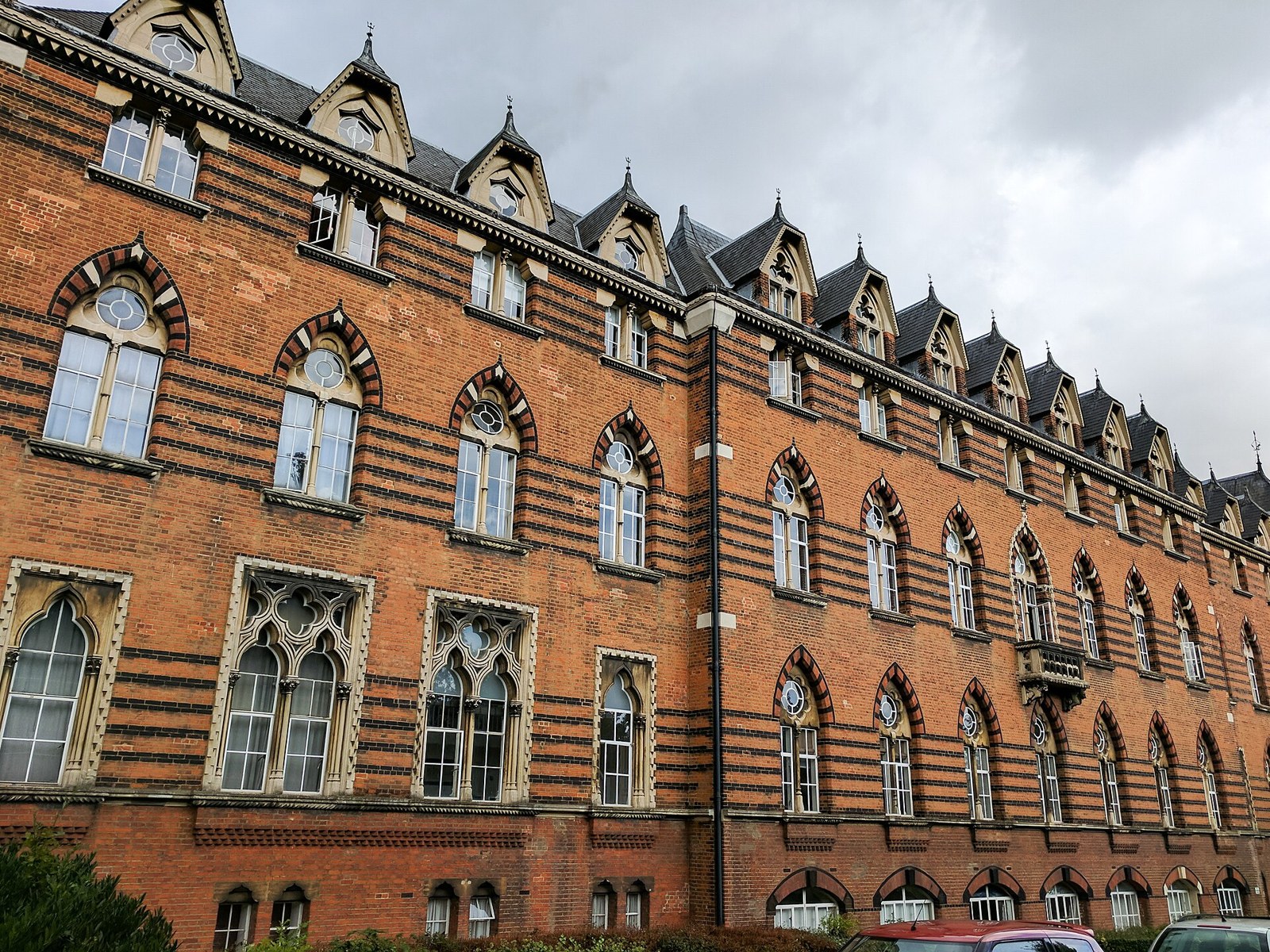
If you have ever wondered what the big red-brick Venetian Gothic building with the clock tower off Hermon Hill is, it was Wanstead Hospital for nearly half a century. Before that, it was an orphanage for the children of merchant seamen. Today it is flats, with a synagogue in the old chapel.
It matters to us because "Wanstead Hospital" is still a name people use, and because the building is one of the grandest on the E11 skyline. Historic England lists it at Grade II*, just below the top grade. Snaresbrook has a habit of turning orphanages into something else: our Snaresbrook guide tells the story of the one that became the Crown Court.
An orphanage with a prince's blessing
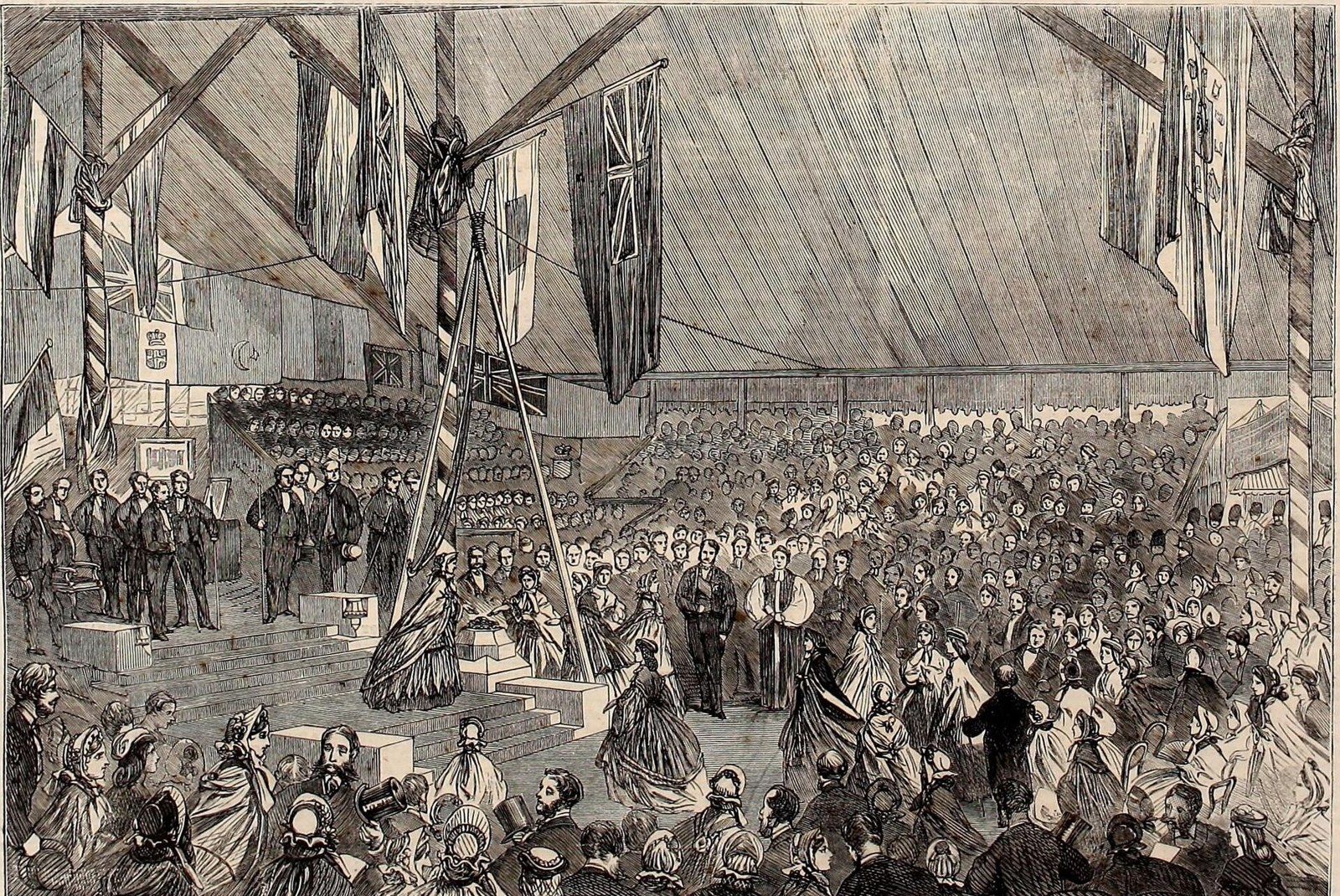
The Merchant Seamen's Orphan Asylum moved to Wanstead from its former home in Bow, the Guardian reports, and Prince Albert laid the foundation stone in 1861. The Illustrated London News drew the scene, with ladies placing purses on the stone.
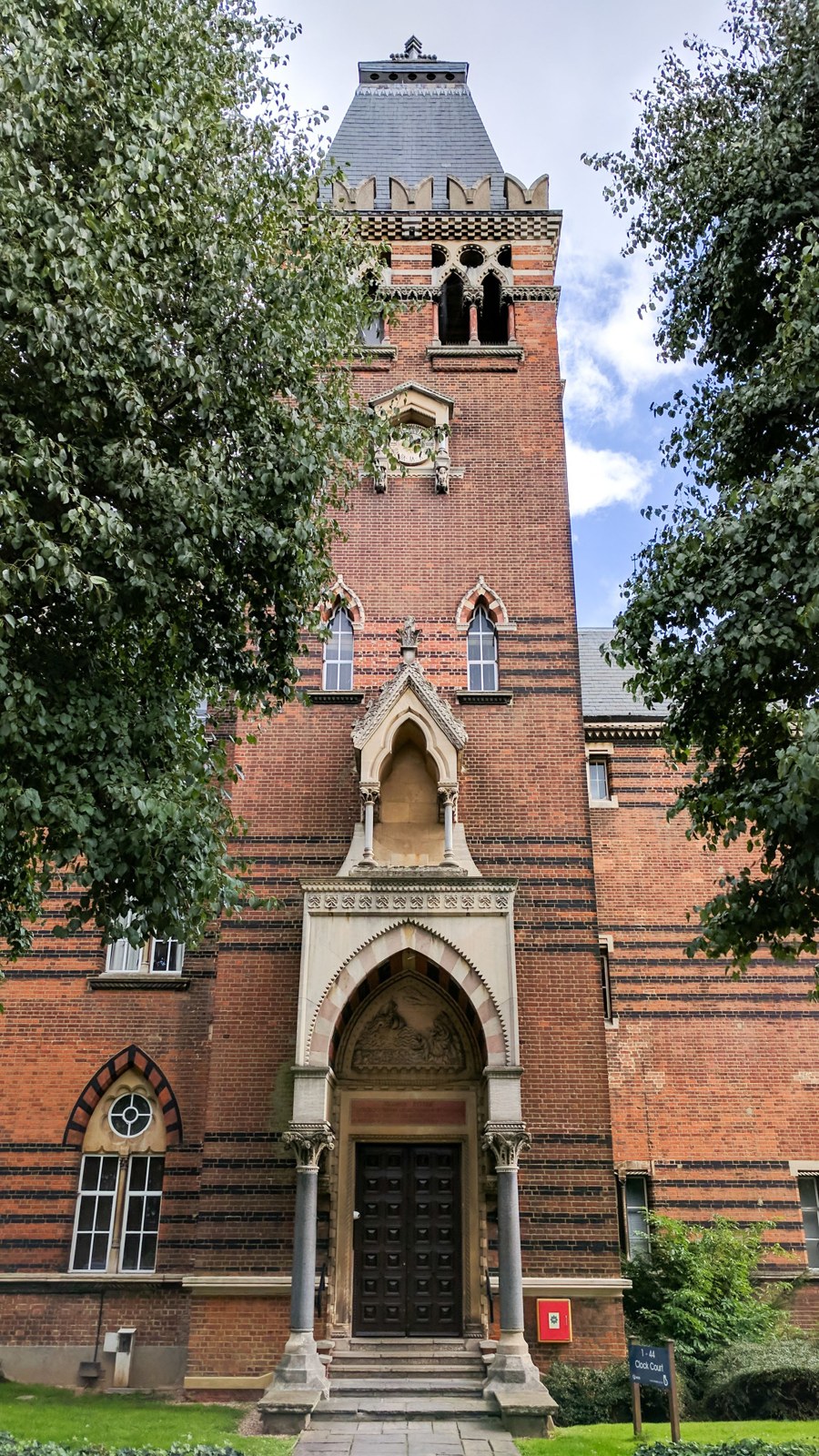
Historic England's list entry says the building opened in 1863, designed by George Somers Clarke in a "modified Venetian gothic style". It describes banded red brick with Ancaster stone dressings, a tower with a squat spire, and a porch with Devonshire marble columns. The great hall followed in 1866.
Wanstead Architecture adds the detail that makes the building worth a second look. The carvings are by the Victorian sculptor Thomas Earp, with a nautical theme of ropes, rigging and anchors, and a shipwreck rescue scene in the stone over the main door. It says the home first took up to 200 children, later extended to up to 400.
Convent, then hospital
By 1921 the orphans had gone to Berkshire and the building became the Convent of the Good Shepherd, according to the Guardian. Essex County Council bought it in 1937 and turned it into a hospital of around 200 beds, which joined the NHS in 1948.
The Guardian's history charts what happened next: beds were reduced to 195 in 1961, A&E closed in 1971 and the maternity unit was withdrawn in 1975. The hospital closed in 1986, with services moved to Whipps Cross. The exterior also had a moment on television: Wikipedia notes it was used in the opening credits of the London Weekend Television comedy Doctor in the House from 1969.
What it is now
Most of the building was converted into private flats in the 1990s, says Wanstead Architecture, and they are now called Clock Court, after the tower. Admire it from the road.
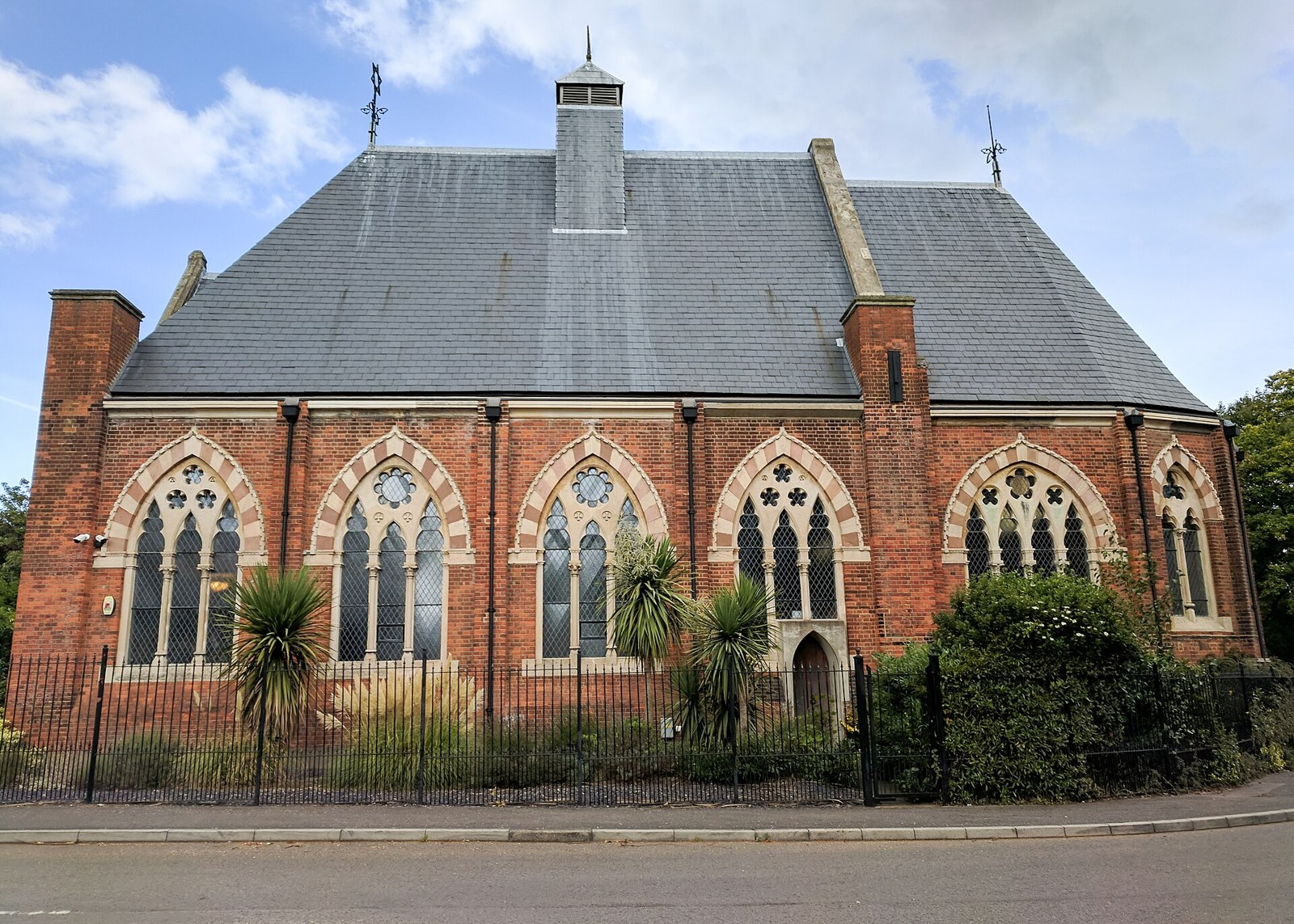
The chapel was a separate story. It sat empty until the Sukkat Shalom Reform Synagogue bought it in the mid-1990s, as the congregation's own history tells it. The congregation says it secured £332,000 in Lottery and English Heritage grants to restore it, and fitted out the interior with timber and stained glass from a synagogue inside a Tottenham care home. The synagogue is at 1 Victory Road, E11 1UL.
The Guardian also reports that a health unit called Heronwood and Galleon, named after the seafaring past, was built in the grounds with about 100 rehabilitation beds. We could not confirm which services, if any, still run there, so check with the NHS before you go looking for care. For more of the area, see our Snaresbrook guide and Wanstead tube station guide.