Wanstead Park, a ruined grotto, a Georgian temple and a lake in trouble
Once the grounds of one of England's grandest houses, Wanstead Park is now a Grade II* registered landscape with a ruined grotto, a Georgian temple and a lake system under strain. The full guide.
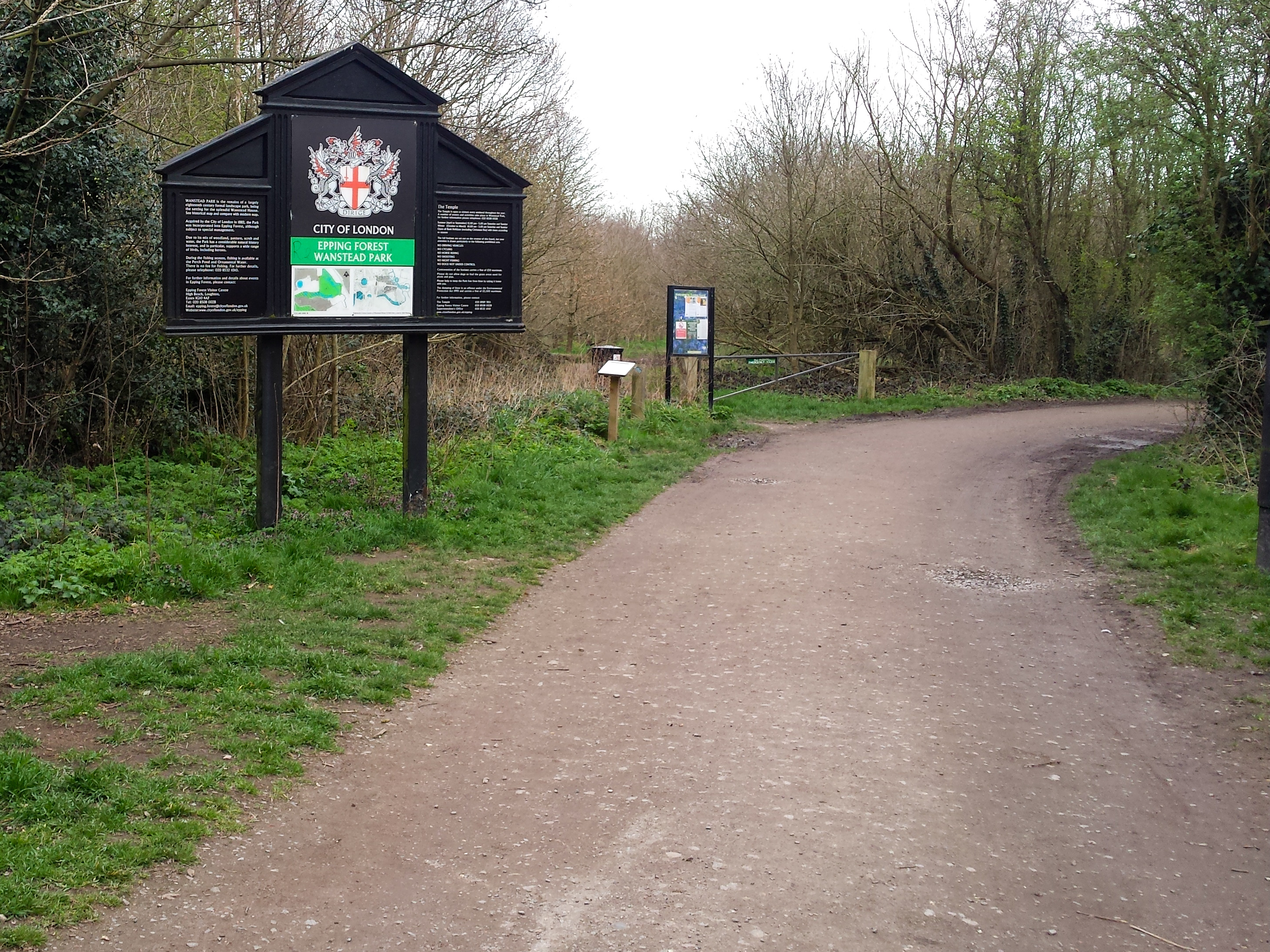
A few hundred metres from Wanstead's suburban streets you're beside a ruined grotto, under veteran trees, looking across a lake chain laid out three centuries ago. Wanstead Park is the most remarkable green space in this corner of east London, and right now one of the most fragile.
Our sources are the City of London Corporation (which manages the park as part of Epping Forest), Historic England and Redbridge Council. Several details are time-sensitive, so check before you go.
A short history
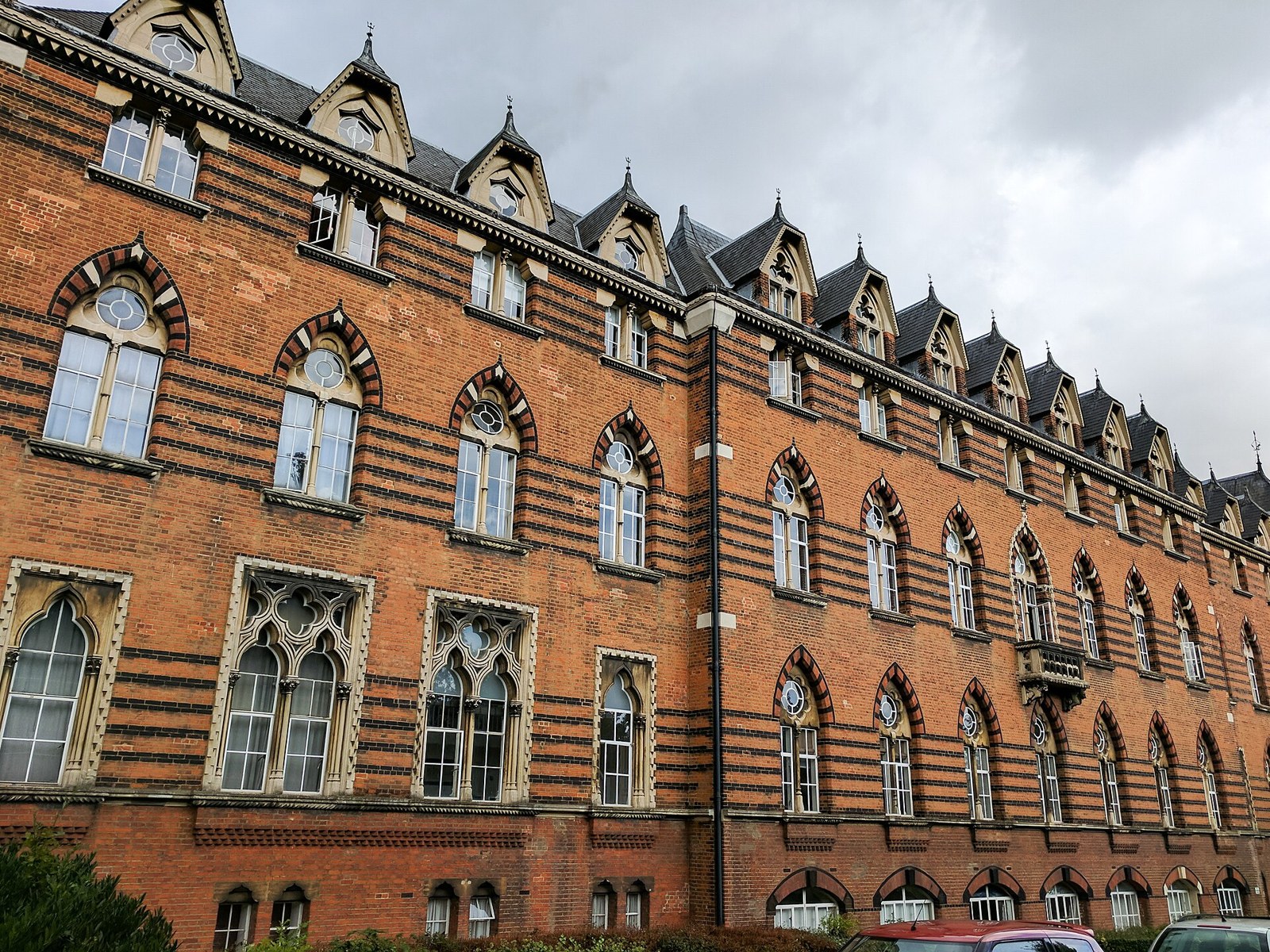
The park was the formal landscape of Wanstead House. According to Redbridge Council's Wanstead Jubilee Walk, the house once belonged to Robert Dudley, Earl of Leicester, favourite of Elizabeth I. A Palladian house by Colen Campbell followed, built between 1715 and 1729, and the City says the park was often compared with Blenheim.
The end was abrupt. The house was demolished in 1824, after its contents were sold to pay the debts of the owner, William Pole-Tylney-Long-Wellesley. What survives, per the Jubilee Walk, is the grotto, the stables, the Temple and two gate piers in Overton Drive: "remnants of what was once the most architecturally important country house in England".
The City says the park was purchased as part of Epping Forest in 1880. Today it's a Grade II* Registered Park and Garden, a Site of Metropolitan Importance for Nature Conservation and the main part of the Wanstead Park Conservation Area. Historic England lists it on its Heritage at Risk register.
The Grotto
The Boathouse Grotto stands on the edge of the Ornamental Water. Historic England's list entry describes a garden building commissioned by the Earl Tylney in the early 1760s, listed Grade II. (The City's pages say Grade II*; we follow Historic England's official list.) It was severely damaged by fire in 1884 and survives as a shell.
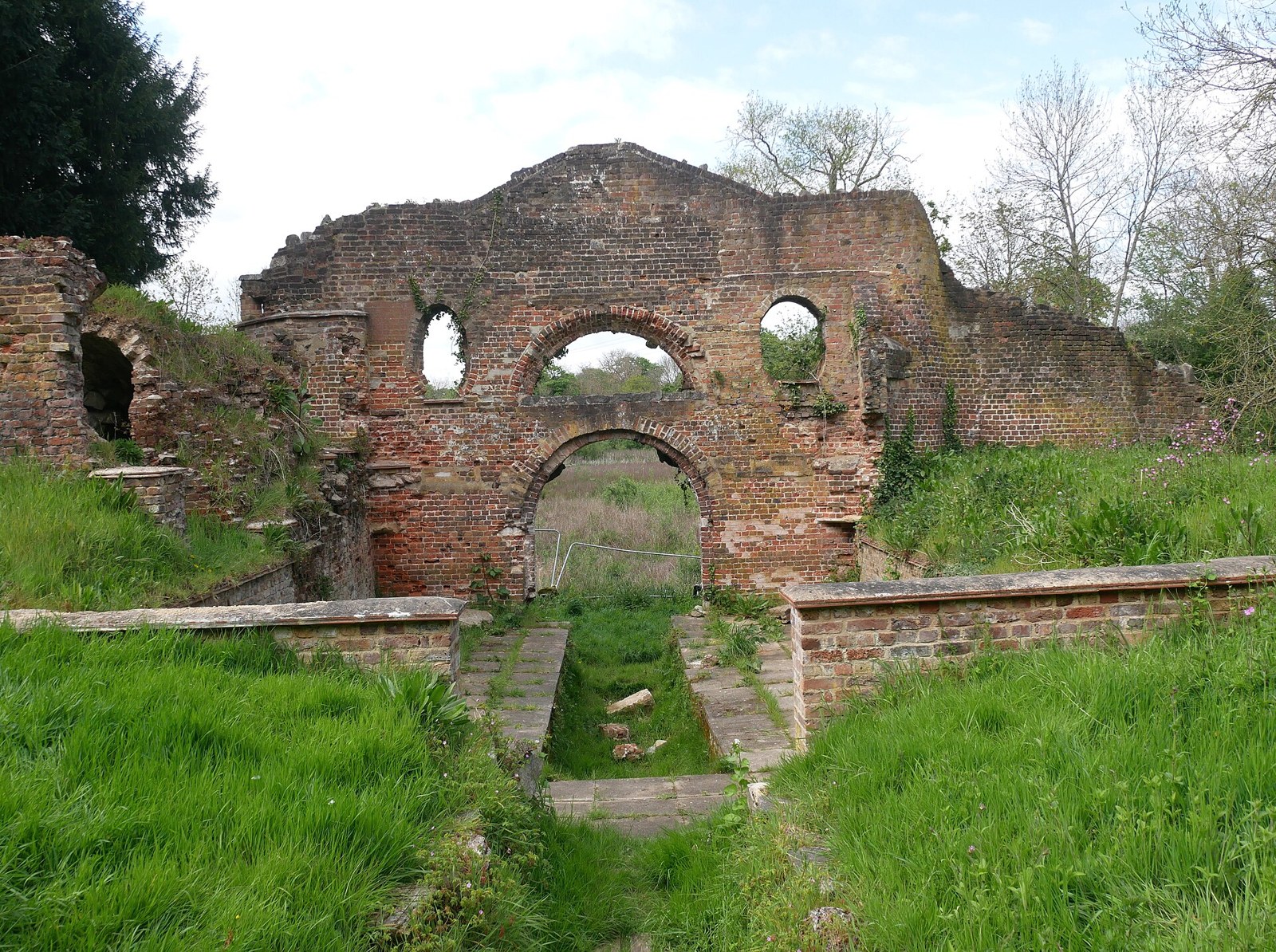
The City says stabilisation was completed in March 2026, and Historic England was due to assess the site in spring and summer 2026 with a view to removing it from the Heritage at Risk register. Fencing stays, and you cannot go inside the compound. Next come a community consultation on what the Grotto should become and a funding bid that the City says may take a couple of years. Report anyone inside the compound on 020 8532 1010.
The Temple
The park's other surviving garden building is an 18th-century Tuscan portico, later extended for living accommodation. It's Grade II on Historic England's list, though the City again says Grade II*. The Friends of Wanstead Parklands date it to around 1760 in their exhibition notes.
It's now a Forest visitor centre. The City's Temple page lists exhibitions on the park's Roman villa, a Regency story of romance gone wrong, and statues that once stood in the grounds, plus a gift shop and public toilets.
It isn't open every day. The Temple opens on the second full calendar weekend of each month, 11am to 3pm, and the City lists Sunday 15 November and Sunday 13 December for the rest of 2026. Entry is free and tours cost a fee. The ground floor is level, but the main entrance is up a steep path with two shallow steps, per the City.
The lakes
The lakes are the park's defining feature, and its problem. A cascade of The Basin, Shoulder of Mutton Pond, Heronry Pond, Perch Pond, The Dell and the Ornamental Water, with the River Roding on the eastern edge, is London's greatest surviving designed historic waterscape, says the City. With long dry summers, though, it "is not working effectively".
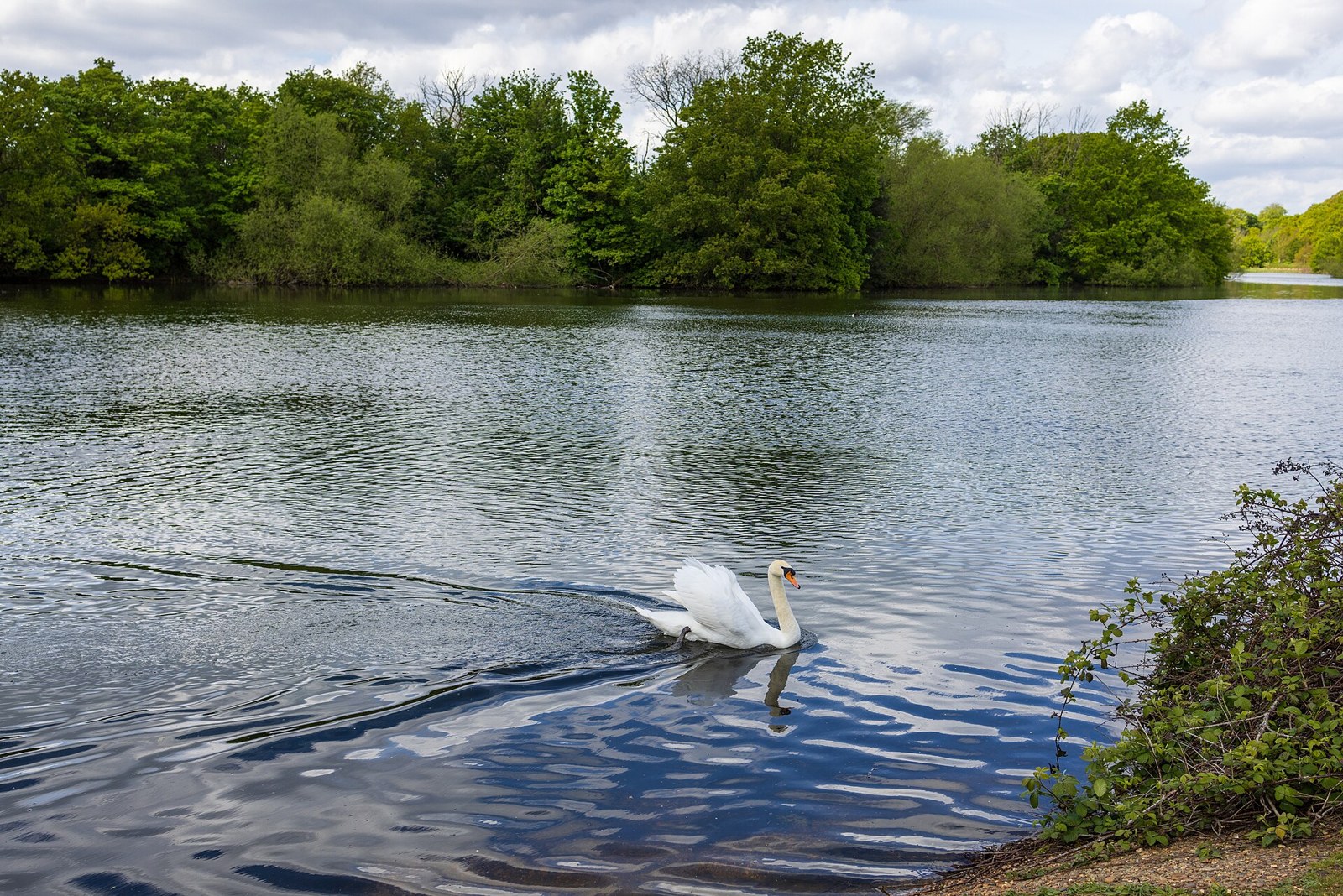
The City's July 2026 update says the Ornamental Water has completely dried up. Please stay off the lakebed, because the banks and islands are part of the heritage feature. Cattle grazed it in May, then moved to the neighbouring Plain. For more on the plan to refill the lake and the Environment Agency decision it depends on, see our report on the dry Ornamental Water.
The causes are historic. Housing and roads cut off the run-off that once fed the lakes. The Heronry Pond leaks: the City says high-explosive bombs hit its northern edge in the Second World War and a V1 landed in the middle in 1944, and repairs haven't stopped it. Pumping from the Roding ended in 2000, and since 2001 a borehole under Environment Agency licence has topped up the Heronry and Perch Ponds. A decision from the Environment Agency on pumping from the Roding is awaited.
There is some good news. Floating reedbeds funded by Britvic and delivered with Thames21 went into the Heronry Pond, and great crested newts, a protected species, have been found there. The City is also investing £1.15 million in dam reinforcement, because the Heronry Pond, Perch Pond and Ornamental Water are classed as large raised reservoirs.
Bluebells, wildlife and walks
Bluebells in Chalet Wood run March to May, weather permitting; keep to the paths and don't pick them. It's also a good local spot for birdwatching, so bring binoculars. For a circular walk, the City publishes a Chestnut Trail map. Fishing is listed at Perch Pond and the Ornamental Water, though with the latter dry, read the fishing rules first.
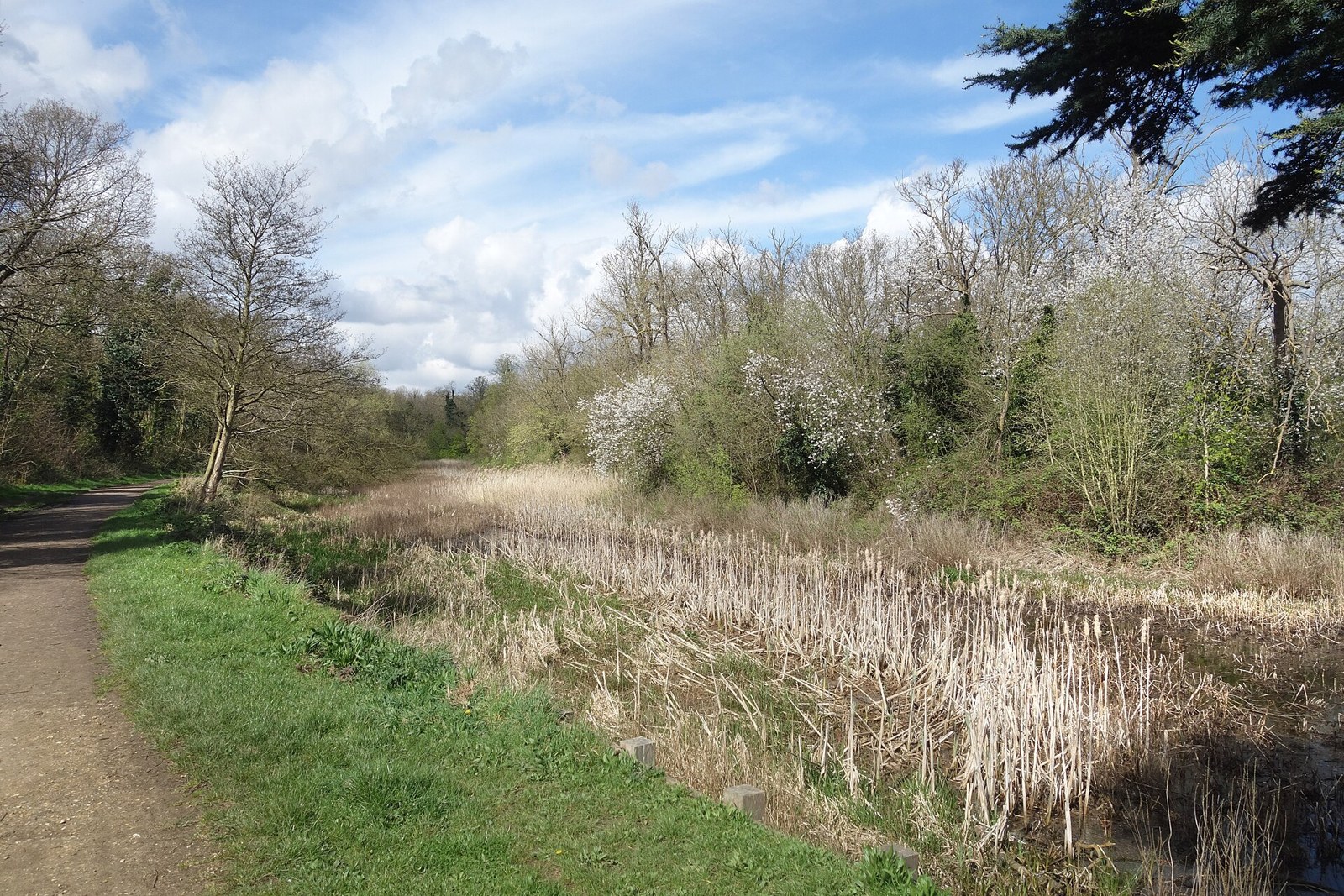
The Friends of Wanstead Parklands publish history and news, and the Wren Conservation Group cleared small trees from the Aldersbrook Glade in 2025, according to the City.
Getting there
- Tube: a 1km (0.6 mile) walk from Wanstead station on the Central line, or 2.3km (1.4 miles) from Redbridge, says the City. See our Wanstead station guide.
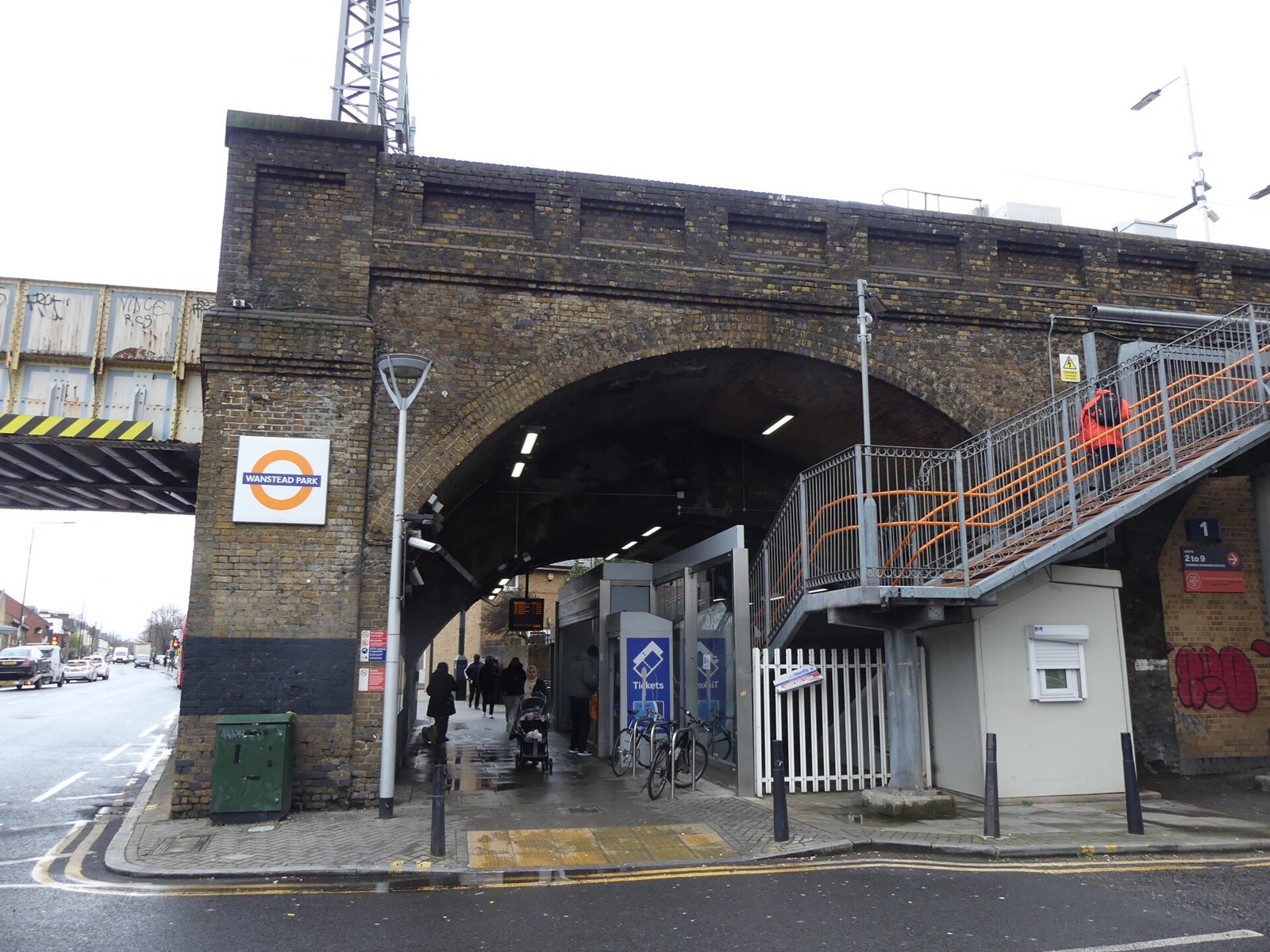
- Overground: Wanstead Park station, on the Suffragette line, serves the southern side (0.7km from Wanstead Flats). TfL's station page has live status.
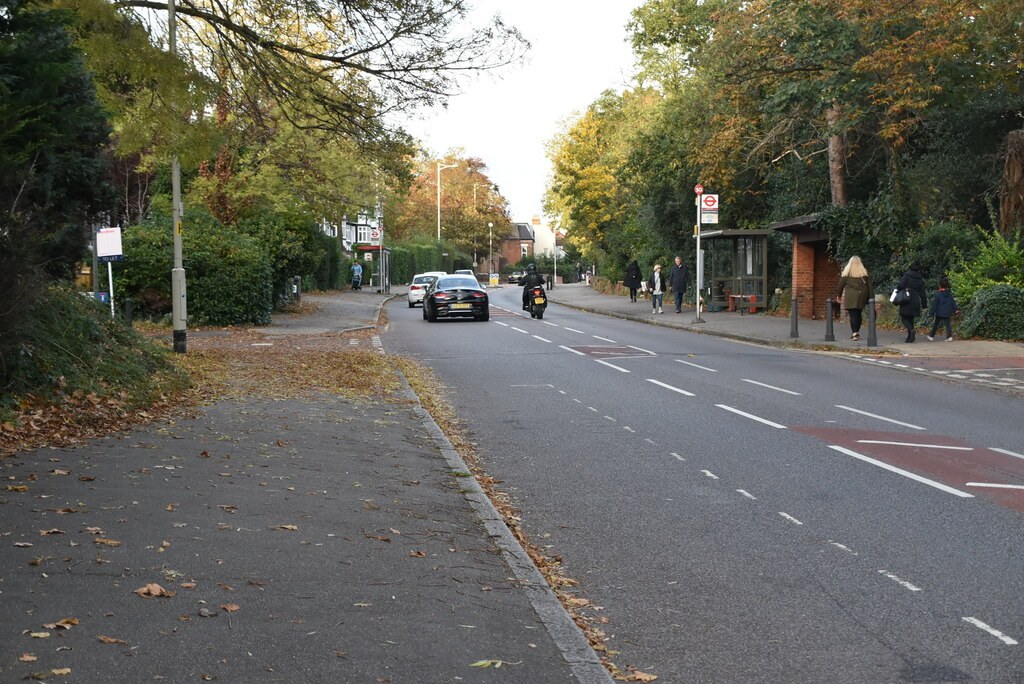
- Bus: 66, 101, 145, 308, W12, W13 and W14.
- Car: street parking is limited. A small disabled-only car park is next to the Temple, via Warren Road. The wider Forest charges at many car parks; see our parks guide for prices.
Entry is free; Epping Forest only charges if you park in its pay car parks. And no, it isn't the same as Wanstead Flats: both are Epping Forest, but the Park is the historic landscape of Wanstead House, while the Flats are open grassland and playing fields. See our Wanstead Flats guide.
Facts checked on 28 October 2026 against the cited pages. Listing grades follow Historic England; the City's own web pages differ.